a l a n d a l u s

[ 12:51 Tuesday 13 December 2022 – Gran Via de Colon, Granada, Andalucia ]

From where I sit on the roof terrace, the medieval heart of Granada unwinds beneath me like a labyrinth, the skyline punctuated by churches. To my left, the hulking mass of the cathedral, commenced 1518 on the site of the previous grand mosque, stands as a permanent marker of the Catholic monarchy’s final defeat of Spain’s Islamic civilisation after seven centuries.

Granada roofscape from our terrace

In front of me, the sober dome and tower of Santos Justo y Pastor rise above the rooftops, built in 1575 as the convent church of the Hermandad de la Encarnación. To my right, the white-and-green tiled dome of San Juan de Dios strikes a jollier note, constructed from 1737 with a jaw-dropping baroque interior where every available surface is coated in gold.

Beyond the medieval centre and the suburbs stretches the wide fertile plain, Granada’s “Vega”. In the distance the horizon is ringed by low mountains. Finally, leaning over the parapet and looking to my left, the peaks of the high Sierra Nevada form a spectacular backdrop to the city, rising to three thousand metres and capped in snow.
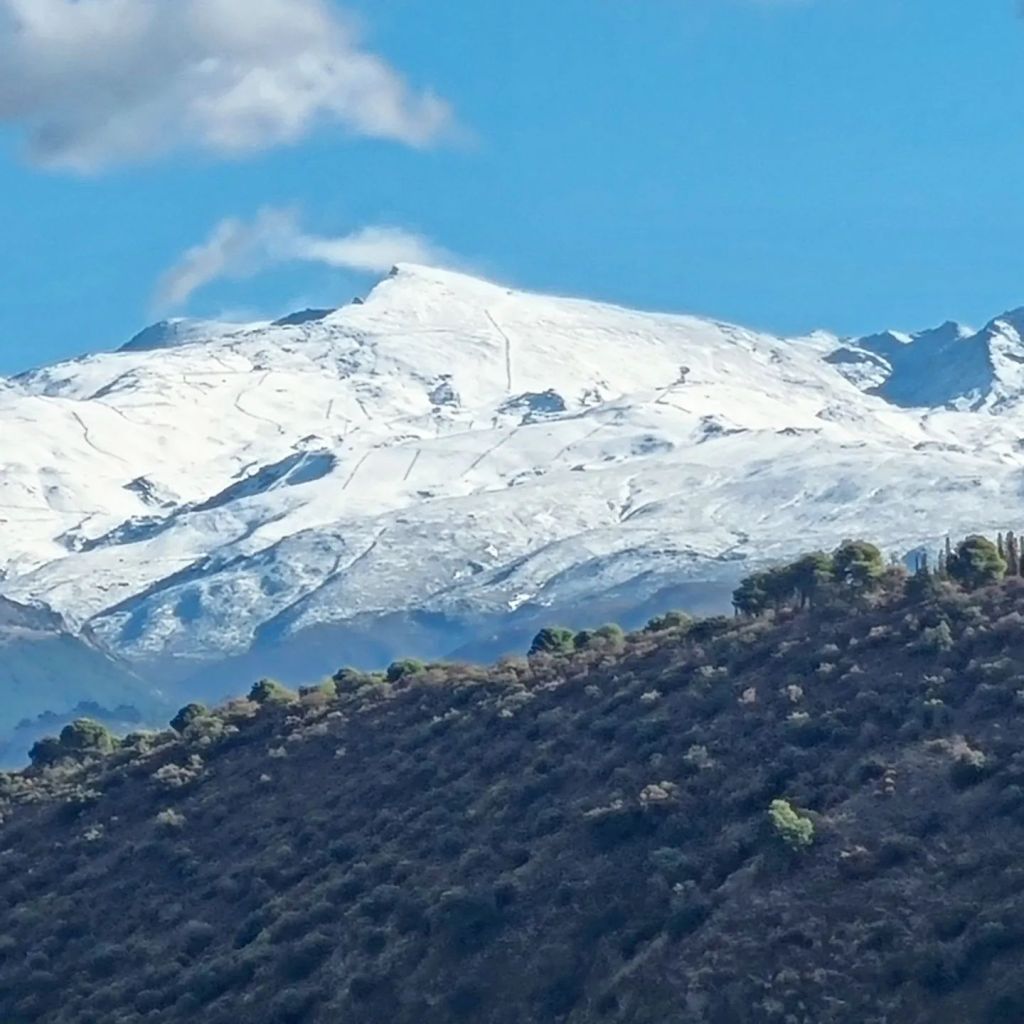
Mulhacen, 3,482 metres, the highest peak of the Sierra Nevada

For the last last three days the weather has been unsettled. As I write  the Vega is dotted with patches of light and dark as clouds prowl across the sky. The mountains to my right are veiled beneath a grey curtain as a rainstorm passes over, heading towards the city. Sometime in the next half hour I’ll need to duck indoors and wait for the rain to pass. 

We arrived in this flat at the start of November. The Andalucian winter is so mild and sunny I’ve been able to spend most days working out here on the terrace with my laptop, often wearing no more than a T shirt. This strikes quite a contrast with last winter in Pollença, where we were trapped inside with a blazing fire while gales and torrential rain battered the windows.

Vaulting in the Capilla Real, Cathedral de Granada

Granada is where Alex was born and went to university. I visited the city with him shortly after we met. However this is the first extended period we’ve spent here together. This is also the first of our Spanish homes located in a city centre rather than the country.

The city is delightful, the centre small enough that one can reach anywhere in thirty minutes by foot. Each week we buy fish from a stall in the central market, fruit and vegetables from our favourite grocer, bread from one of a handful of bakers. Occasionally we stop for tapas at one of the dozens of bars surrounding the house. We’ve been to art galleries, concerts and dance performances. Along the way I’ve met a variety of Alex’s childhood friends. My Spanish is just about at a point where I can converse with someone who speaks no English, albeit haltingly and with grievous errors.
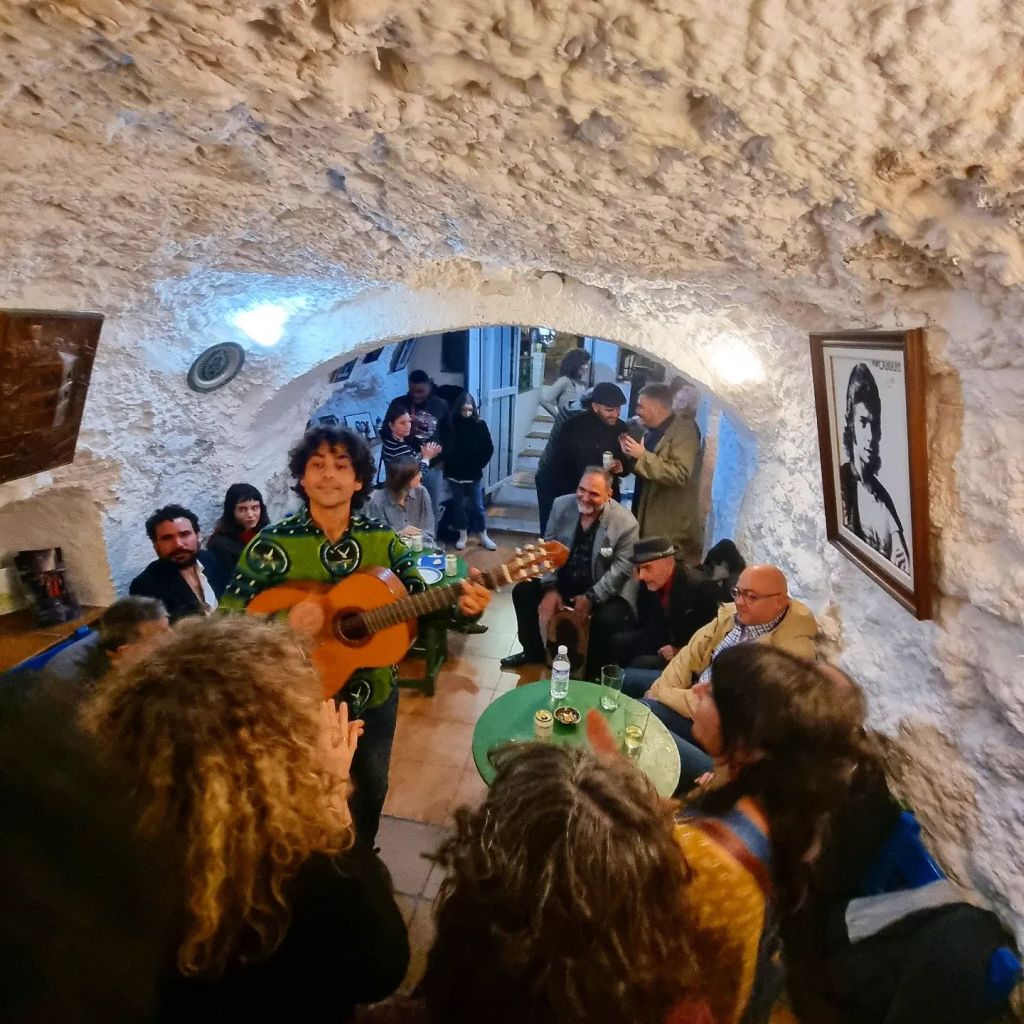
Late night Flamenco in its true habitat, a cave in Sacromonte

The area of Granada I’m most drawn to is the Albayzin. This is the oldest part of the city, where the Romans established their settlement of Iliberis on a hill overlooking the plain in 44BC. More significantly, it’s where Zawa ben Ziri established Gharnata in 1009AD, the capital of the Zirid kingdom.

Over the subsequent 481 years Gharnata grew to be one of the greatest cities of the Islamic world, famed for its climate, fertility and artisanship. After the Catholic conquest of 1492 the geographical focus shifted to the foot of the hill where the medieval and modern city developed. As a result the Albayzin remains miraculously preserved, much as the Zirids would have recognised it.
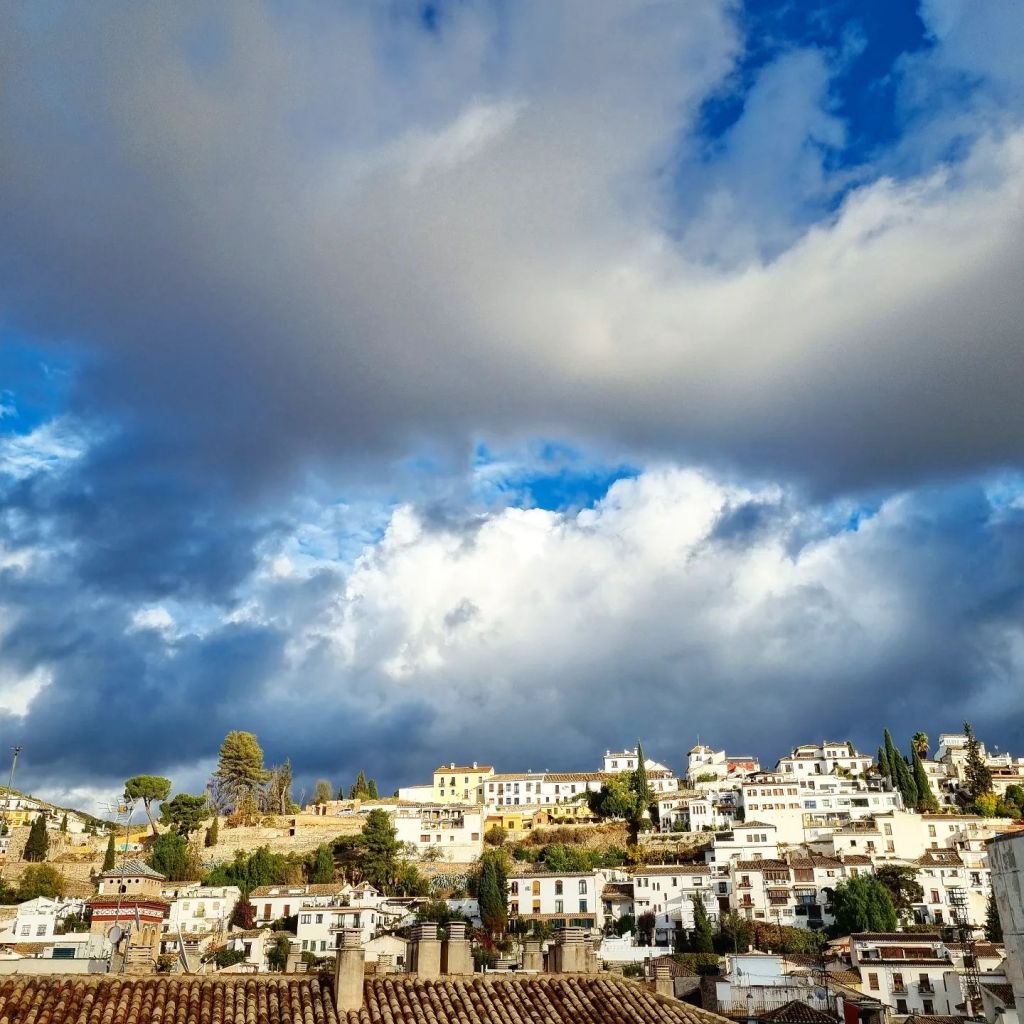
The Albayzin

A labyrinth of narrow streets and alleyways cling to the steep hillside, some no more than a metre wide, lined with houses of two or three storeys, often wrapped around a tranquil internal courtyard. Every so often a street opens onto an intimate plaza with a church at one end, which invariably turns out to have been a mosque previously. Underpinning the settlement is the virtuosic system of aqueducts and cisterns constructed by the Zirids to supply the city with water from springs ten kilometres to the north, much of it still in operation today.

Before arriving in Granada we spent a couple of weeks in Ferreirola, a tiny and silent village with 90 inhabitants, 1,000 metres high on the southern flank of the Sierra Nevada. This is one of fifty villages in the Alpujarra, a region settled by Berbers following the Islamic occupation of 711AD. They brought with them a distinctive and finely-tuned array of architectural, irrigation and agricultural practices from the Atlas mountains. The villages consist of white houses with stone walls, flat roofs made from branches supporting a layer of stones, with first floors extending over the narrow streets to provide shelter from the harsh winter weather.
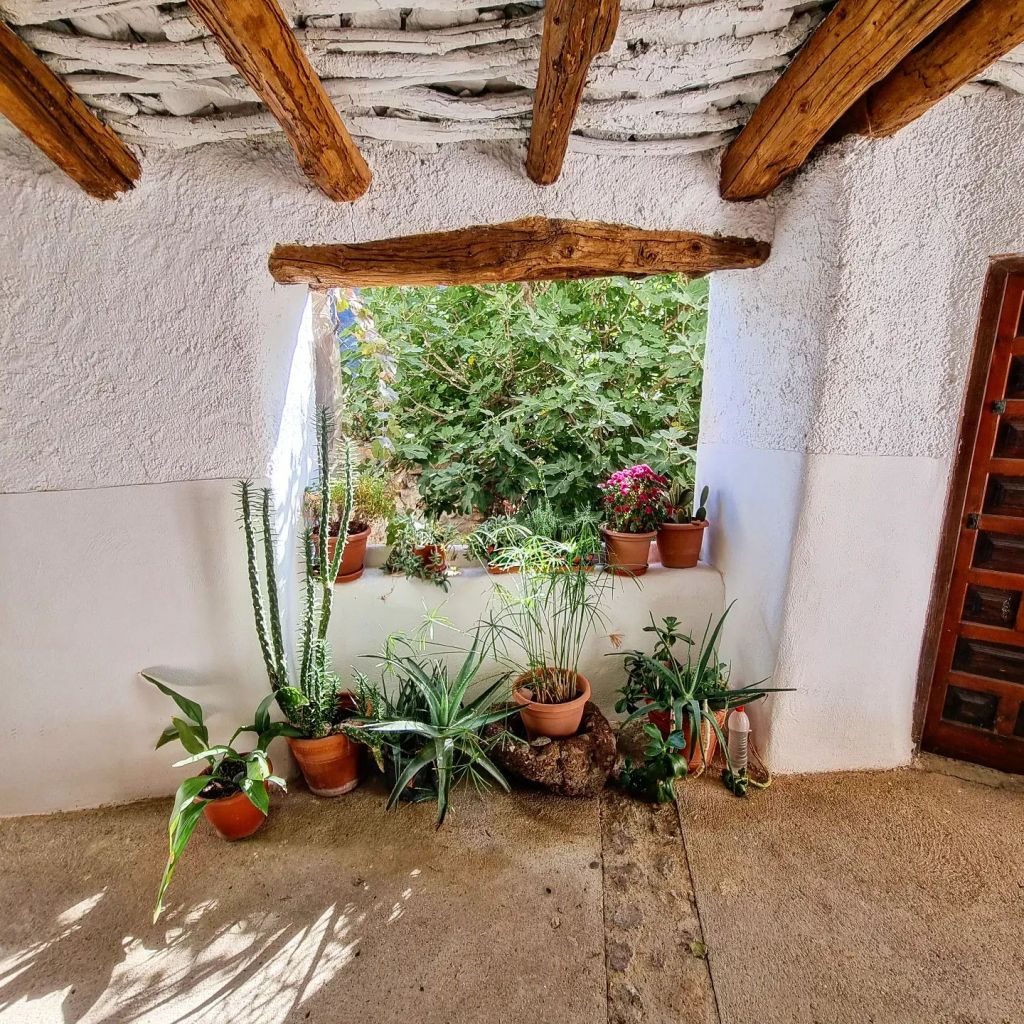
Our front door, Ferreirola

The Alpujarra is as close to a Garden of Eden as anywhere on earth I’ve been. Springs bubble from the earth at every step, some producing sparkling water, others rich in iron. Forests of chestnut, walnut and oak cloak the mountainside. Orchards and gardens overflow with fruits and vegetables of every kind. Alex and I spent our days hiking and losing ourselves in the abundant nature.

In July I wrote about our first visit to Los Escullos in the Cabo de Gata Biosphere Reserve, on Andalucia’s southern coast. We both loved the area, so we decided to return and spend more time. For the month of October we rented a house in Las Hortichuelas Bajas, a tiny village at the foot of an ancient volcano, at the centre of the reserve.
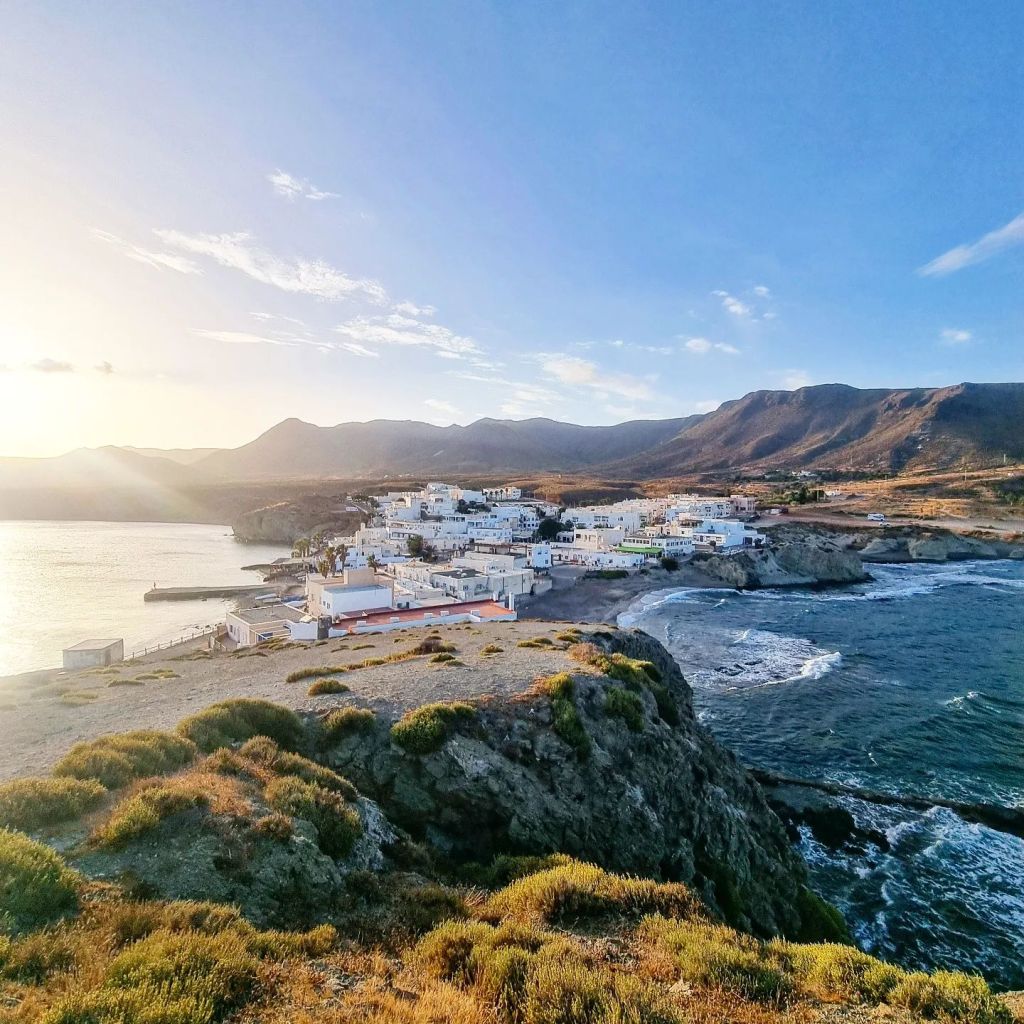
La Isletta del Moro, in the Cabo de Gata Biosphere Reserve

In July the area felt remarkably free of tourists, but in October it was positively deserted. Over the course of the month we explored almost the entire coast from Cabo de Gata to Carboneras, with its seemingly infinite selection of wild coves and beaches, each with its own dramatic cliffs or rock outcrops.

During the month we experienced just one storm, complete with thunder, lightning and an hour of torrential rain. In such an arid landscape the rain felt like a miracle. The next day the air was filled with the rich perfumes of plants. Each afternoon we went to swim either on the stony beach at Las Negras or the broad sandy arc of Playazo de Rodalquilar, which became our favourite. Alex’s parents and my parents both came to stay while we were there.
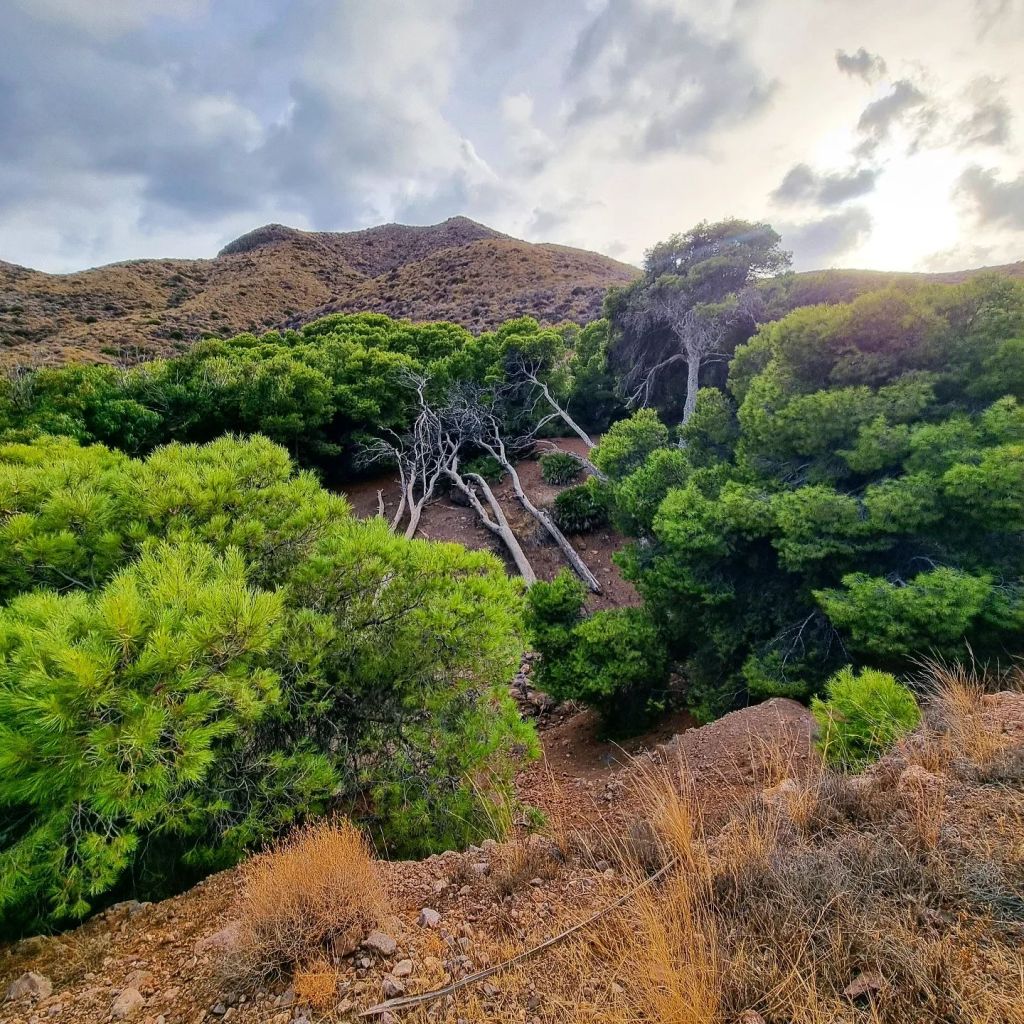
Pine oasis at Cala de Los Toros

Now, three months after our arrival in Andalucia, this chapter of our journey is almost at an end. The house is packed up and in a few hours Alex will drive me to the airport. After a week of meetings in London I’ll join my family for Christmas in Cornwall.

Andalucia is not at all what I expected. I imagined the blend of Islamic and Christian elements would be similar to Sicily, which I know well, however Andalucia is wildly different. The fusion of North African and European elements is woven much more deeply through every aspect of the landscape and culture, with the contributions of the Islamic civilisation more vividly present in the modern culture.

In truth we’ve barely scratched the surface of Andalucia in these months, yet already the contrasts are striking. The aridity of Cabo de Gata versus the lush fertility of the Alpujarra, the cosmopolitan vitality of Granada versus the silent stillness of Las Hortichuelas, the winter sunshine and blossoms of the Vega versus the snow-covered terrain of the Sierra Nevada.

This has been an intoxicating first immersion in Andalucia. I doubt it will be the last.

: c :
a ñ o b a l e a r

[ 22:55 Friday 1 July 2022 – Los Escullos, Andalucia ]

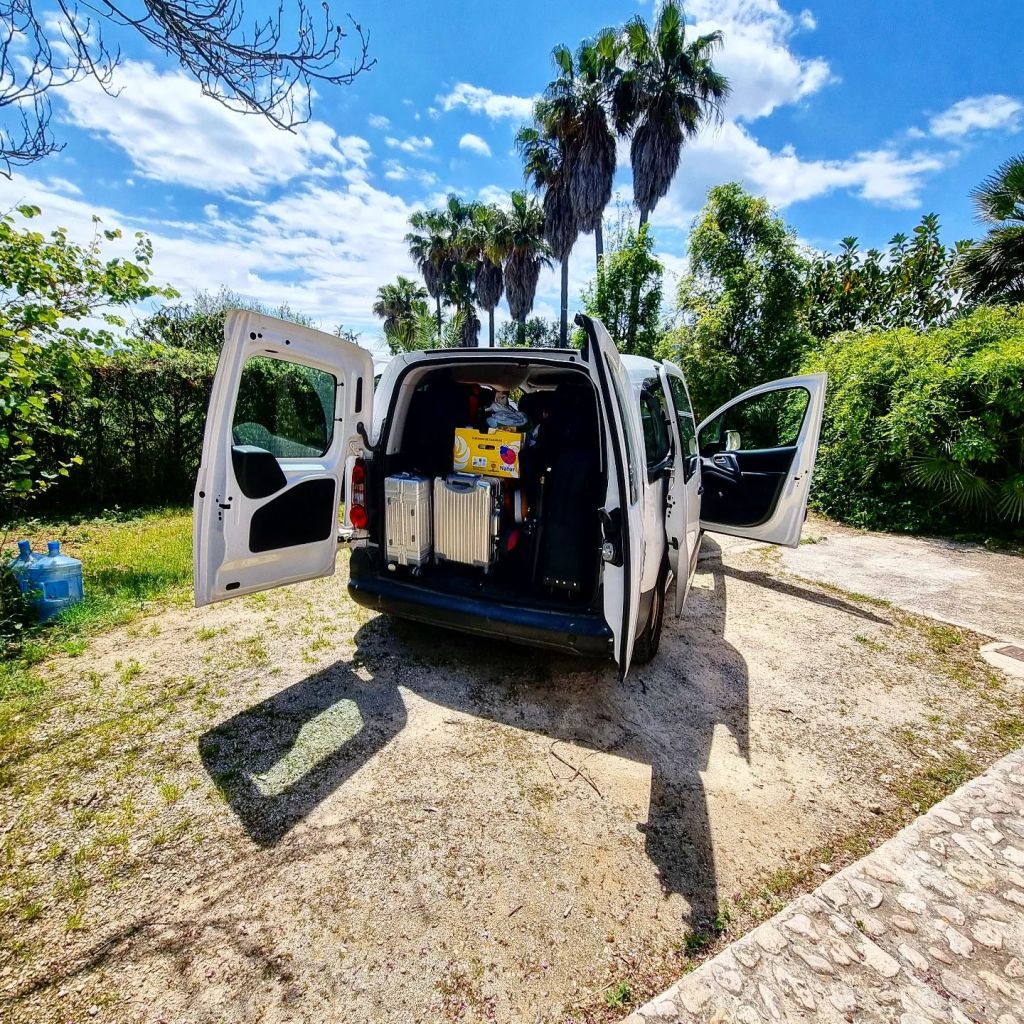
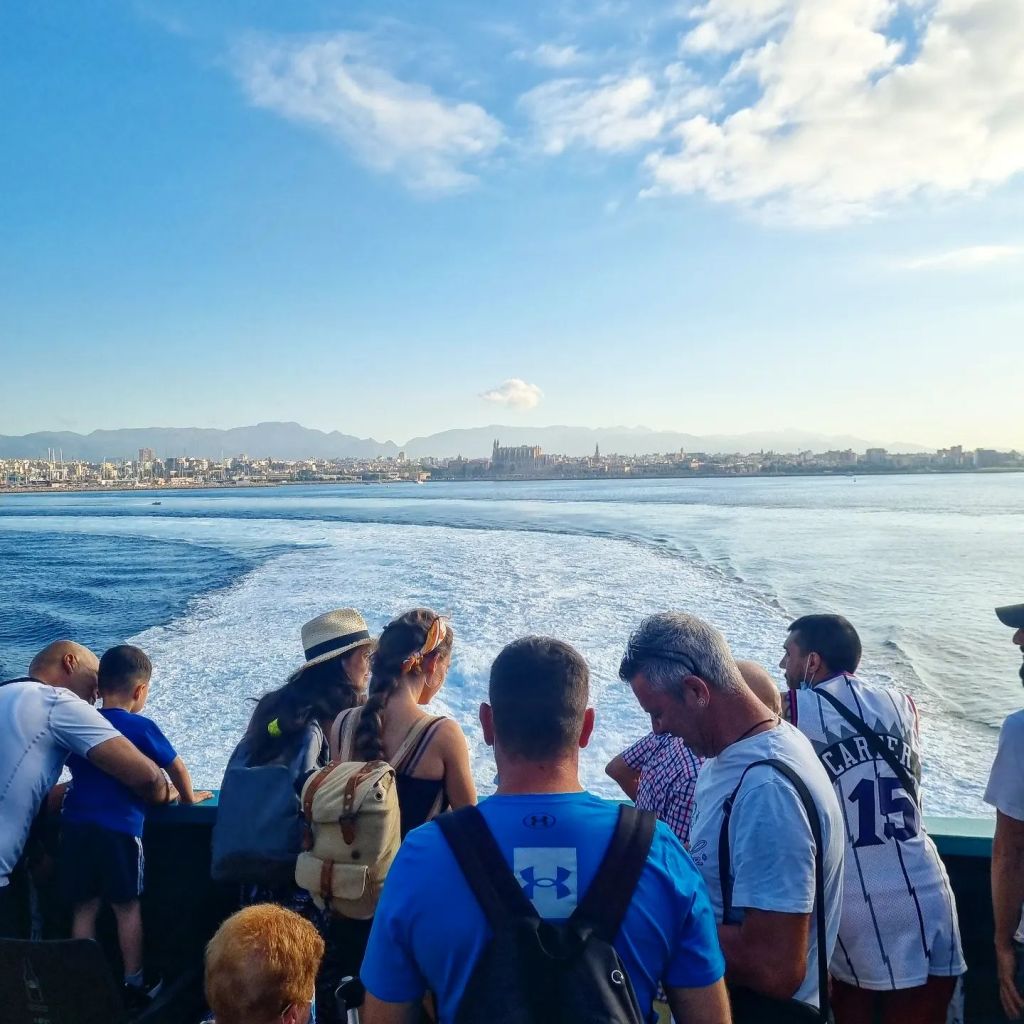
One year ago today, Alejandro and I tumbled out of the airport in Palma with an avalanche of suitcases, bicycles and dreams. A couple of days ago we stood and watched Palma recede from the stern of a ship, with our belongings squashed into a Citröen van several decks below.

Adios, Palma!

The ferry took us two hundred and fifty kilometres to Denia, on the coast of Valencia. From there we drove another three hundred and seventy kilometres to Los Escullos in the Cabo de Gata national park, in Andalucia. This is an astonishing landscape, a cluster of dead volcanoes eroded over millions of years into gentle undulating hills. It’s the most arid place in Europe, with just twenty centimetres of rainfall a year; the only piece of the continent to classify as “hot desert”.

The land is far from lifeless though. The hillsides are speckled with dwarf fan palms, pink snapdragon and cactuses, able to suck meagre moisture from the air. Jujube trees or “red dates” dot the coastal areas. Some valleys are filled with surreal forests of agave, comprising thousands of spindly flowering spikes swaying several metres in the air.

The coast consists of jagged cliffs punctuated with sandy beaches, each one a different hue; white, grey, black, even brick red. In 1987 the Spanish government designated the area as a Parque Natural, then ten years later it became a UNESCO Biosphere Reserve. Consequently it has escaped the intensive tourist development which blights much of Spain’s Mediterranean coast. Even now in July the area is astonishingly empty.

Los Escullos in the Cabo de Gata Biosphere Reserve, Andalucia

I’m sitting now with my laptop on the terrace of our house in Los Escullos, surrounded by chirping crickets with the stars twinkling through the fronds of a palm tree. Next week we’ll make a final stop with Alejandro’s family, an hour away in Olula del Rio. After that it’ll be time to leave Spain to spend a couple of months in London, Cornwall, Turkey and Georgia.

In total we’ve lived in six houses over the past year. For the first three months we had a beautiful house in the tiny village of Port des Canonge, on the mountainous north coast of Mallorca. That was followed by two weeks in a flat in Esporles, the closest village inland. For the winter we spent six months in a large draughty villa on the fertile plain between Pollença and the sea, at the northern tip of the Mallorca. In May we loaded everything onto the ferry and crossed to Menorca, where we spent a month in a bungalow by the sea in Binisafua. In June we returned to Mallorca for a month in a flat overlooking the harbour of Portopetro, on the east coast. Now here we are in a cabin near Los Escullos on the Andalucian coast.

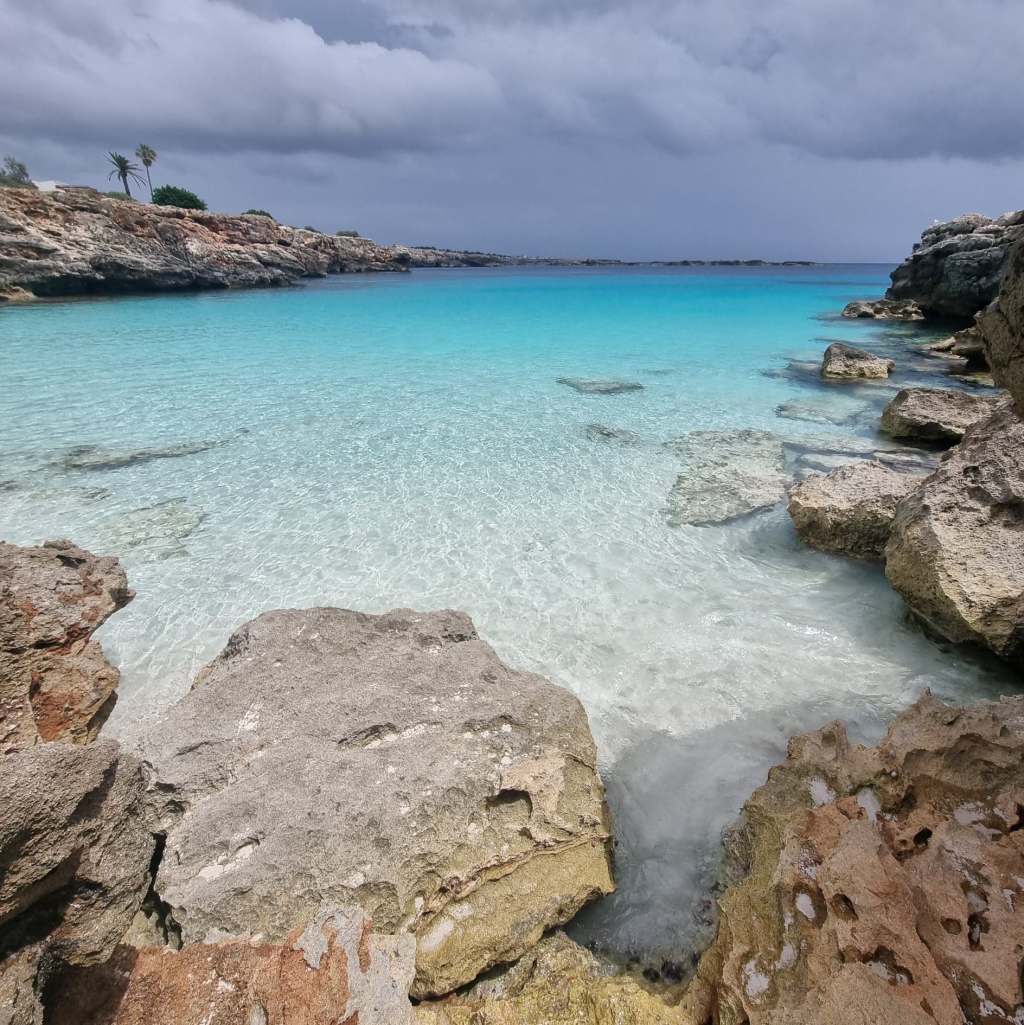
Out of the six places we’ve lived, our base in Menorca was was probably my favourite. The house itself was nothing special but it was directly adjacent to a tiny, exquisite, V-shaped cala, with a patch of white sand opening to an expanse of turquoise water. Between video calls and emails I was able to nip over several times a day, and lose myself in the blue light.

A moody day in the cala below our house, Menorca

Professionally, the year has been highly productive. I arrived in Palma with an idea for a new kind of live/work campus for nomadic workers and team retreats, mixing housing, workspace, training an a cafe/bar. One year on, I’m in the process of establishing a sister company to The Trampery to take the idea forward. Through complete serendipity I met someone in Pollença who was working on a similar idea, and we’ve ended up joining forces.

After visiting dozens of potential sites in Mallorca and Menorca, together with multiple rounds of financial modelling, the original concept has evolved, splitting into distinct formats for town and country. We’re evaluating a site in the mediaeval heart of Palma, with the hope it might become our first location. In parallel we’re also starting to look at sites on the mainland, in Andalucia and Catalonia.

Alongside the new venture, the experiment of running The Trampery remotely from Spain has been a success. A combination of Slack and Zoom keep me close to the team every day, whilst email carries most of the discussion with clients, partners, architects and other collaborators. An important element of my role is leading development of new workspace projects, so it’s encouraging to discover I’m able to do this remotely as well.

The van, crammed with our chattels

Throughout the year I’ve maintained a rhythm of two weeks in London every two months. These periods are dedicated to site visits for potential new projects, spending time with the team and meeting clients face to face. Every visit I go out to dinner with The Trampery’s management team, which has become one of my favourite rituals. However I still haven’t worked out the right formula for these periods in London. Each visit so far I’ve ended up trying to squeeze two months of meetings into two weeks, and ended up feeling completely exhausted.

At a personal level the year’s been equally rewarding. After eighteen years living in London, it was high time I threw myself into a new environment. Each successive location has presented a tabula rasa, with the process of exploration and discovery beginning afresh. I’ve been trying to learn Spanish, my first new language since learning Italian in 2001. Over the winter I also taught myself to play the bass clarinet, since I’m without a piano.

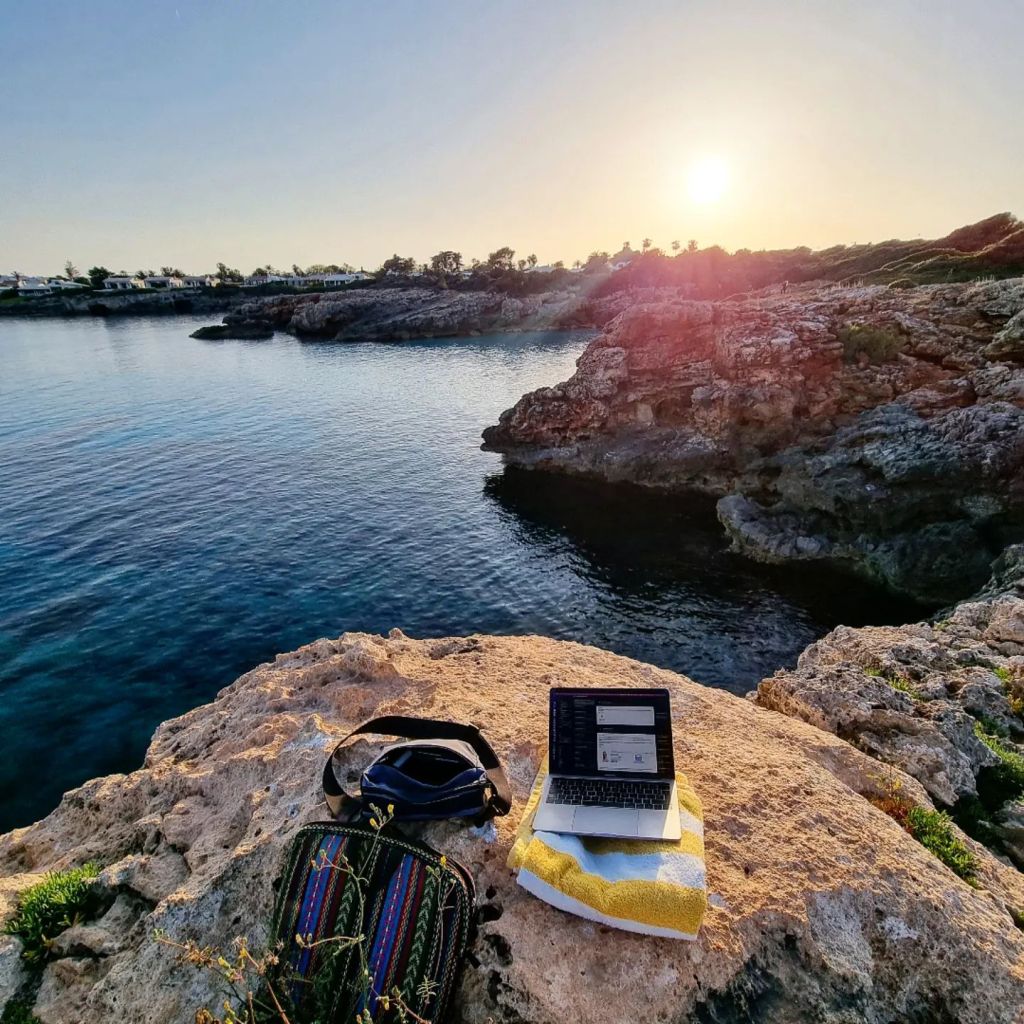
One of the greatest privileges has been the opportunity to spend much of my time in the open air, mostly in beautiful natural environments. At each house I’ve organised somewhere I can work outside. Initially I was shy about doing video calls al fresco, but gradually that’s become my default. I’ve also been able to establish a routine where I swim in the sea almost every day, which has wonderful benefits for my state of mind. I’ve probably swum about 80% of the days through spring, summer and autumn (along with a bracing swim on New Year’s Day).

Evening office.

At the centre of the year’s experience has been Alejandro, whom I’ve started calling Alex. Catapulting ourselves into this adventure, with its catalogue of joys and stresses, has deepened our relationship. We’ve learned to rely on each other, and we’ve also become more patient with each other.

Alongside our personal relationship, this is the first time we’ve worked together on a project. As a native Spanish-speaker, Alex led all the discussions with local government. It also fell to him to fight the ghastly battle with the Spanish bureaucracy to secure my “Visado de Emprendador” (Entrepreneur Visa), without which I couldn’t have stayed in Spain. More recently he’s been doing a lot of the background research for the evolving project. Initially we both felt some trepidation about working together, and we were careful to establish “spheres of influence” to avoid treading on each other’s toes, but it’s been a very rewarding experience and I hope we can carry on.

Until the middle of September our movements are more or less planned. From that point on it’s a blank slate. We’ll just have to see where the currents carry us.

: c :

i n v i e r n o

[ 11:21 Thursday 24 March – Villa Catalaneta, Pollença ]

As I sit here on the terrace bathed in birdsong, two thousand kilometres away Russian tanks are pounding Ukraine’s Black Sea ports into rubble. Life goes on but the shadow of war lurks always in the background. It is hard not to wonder what pandora’s box has been opened, and what will emerge from it in the months and years ahead.

Yesterday marked five years since Alejandro and I met, following a talk on fine-art curation in the digital sphere organised by Elaine. It still feels like yesterday that I spotted this handsome fellow grinning and gesticulating across the room. How can it be five years? The probability of meeting someone who shares my most obscure musical tastes, whose social values run close to mine and who enjoys so many of the same pursuits as me, must be infinitesimally small. How far we’ve come together in these years, how much richer my life is and how much I’ve learned from him.

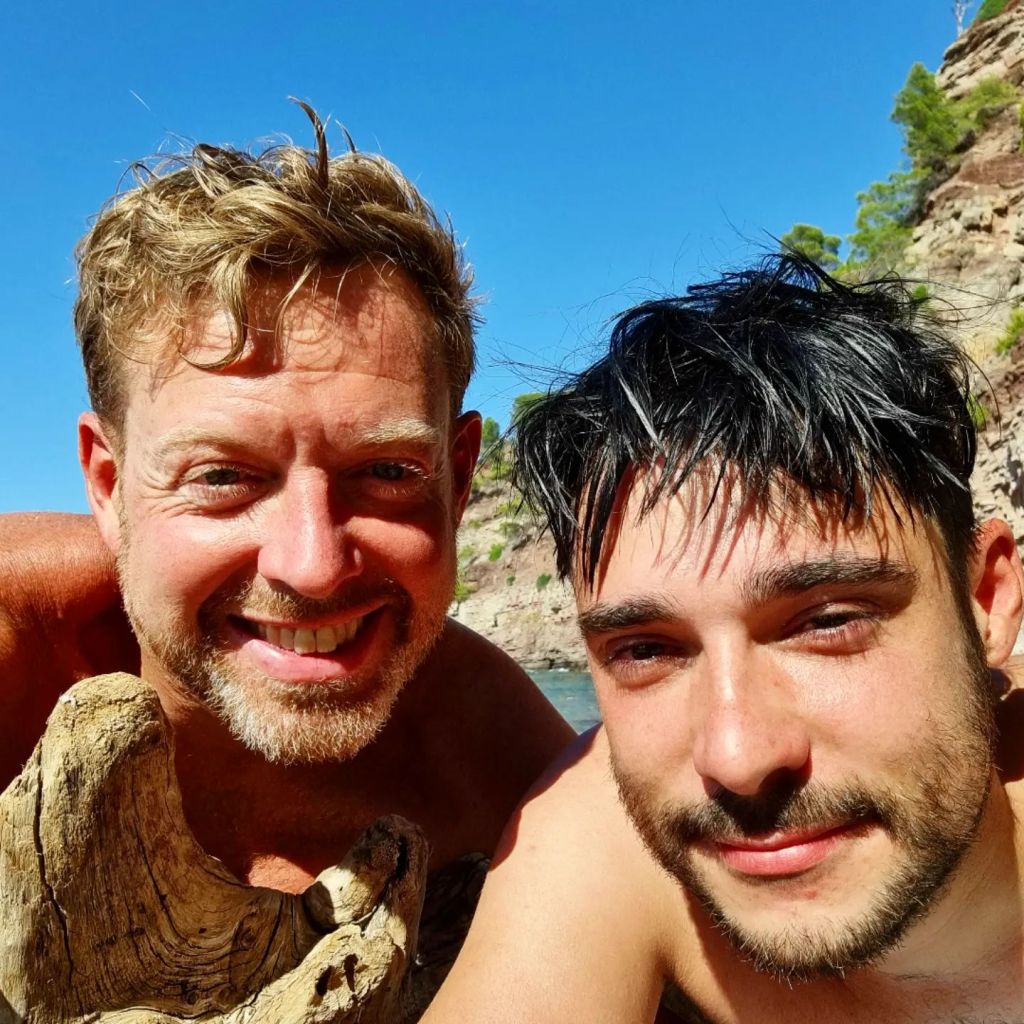
Five years making trouble

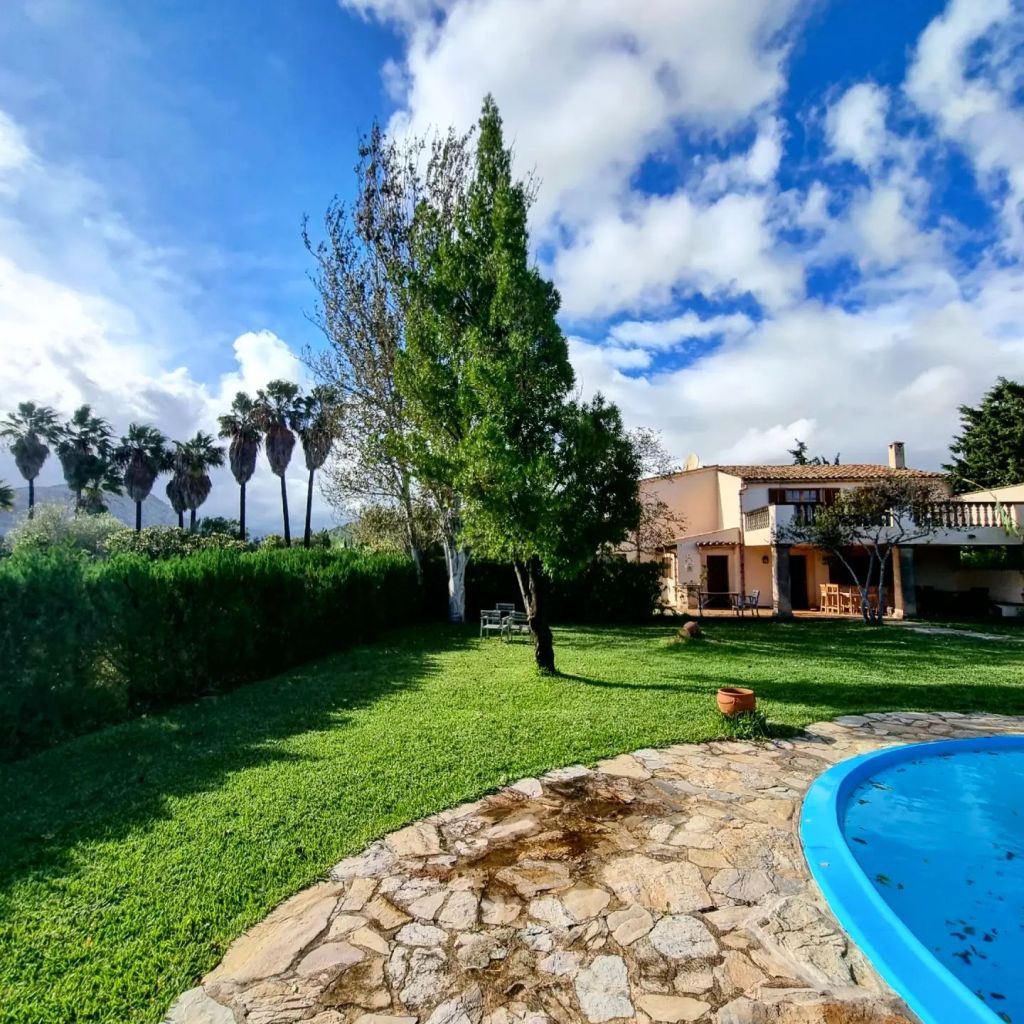
This morning it rained. Now as the clouds lift, water drips from trees and bushes around the garden, creating an irregular counterpoint to the birds’ polyphony. Alejandro and I chose this house to spend six months over the winter. It’s located in the plain that spreads from the town of Pollença, in the foothills of the Tramuntana mountains, to the sheltered arc of the Bay of Pollença. It’s a spacious house with a big garden and a row of eleven tall palm trees, signalling its location across the landscape.

Our house for six months over the winter, Pollença

We arrived here at the start of November during a cataclysmic thunderstorm, which set the tone for our first two months here. A freakish chain of storm systems passed through the western Mediterranean, bringing two months of almost unbroken gales and torrential rain.

Fields and roads were flooded. Sporadic electricity outages became familiar occurrences. Gusts were recorded close by at 120 kilometres an hour. A yacht broke its mooring and washed up on the beach. I went to the coast in one of the strongest gales and the force of the wind was such that I could barely open my eyes.

A yacht broke its mooring in the storms & ran aground, Port de Pollença

Initially the dramatic weather was exciting, but as it continued week after week the experience became gruelling. With no central heating and poorly-fitted windows the house was dark, damp and cold. We had half a ton of holm oak and olive wood delivered, and became experts at managing the open fire in the sitting room. We also learned to fling open doors and windows whenever the rain stopped, to air the house and keep it dry.

When Christmas came we joined our respective families in Cornwall and Almeria. Returning to Mallorca on New Year’s Eve, it was as if we’d come back to a different place. The sun was shining, the sky was azure and the temperature was nudging 20 degrees. Elaine arrived from Los Angeles, Arthur arrived from Paris, we celebrated the last day of the year with Alejandro DJing on a tiny portable speaker.

At 4am on New Year’s Day we went out into the garden to discover a thick fog had settled over the plain, cloaking the landscape in swirling dampness. In the motionless air we could hear music from half a dozen other parties, spanning a range of several miles in each direction. The music was mingled with the sound of hundreds of cockerels crowing, near and far across the plain, as if adding their voices to the celebration. It was a magical way to begin the year.

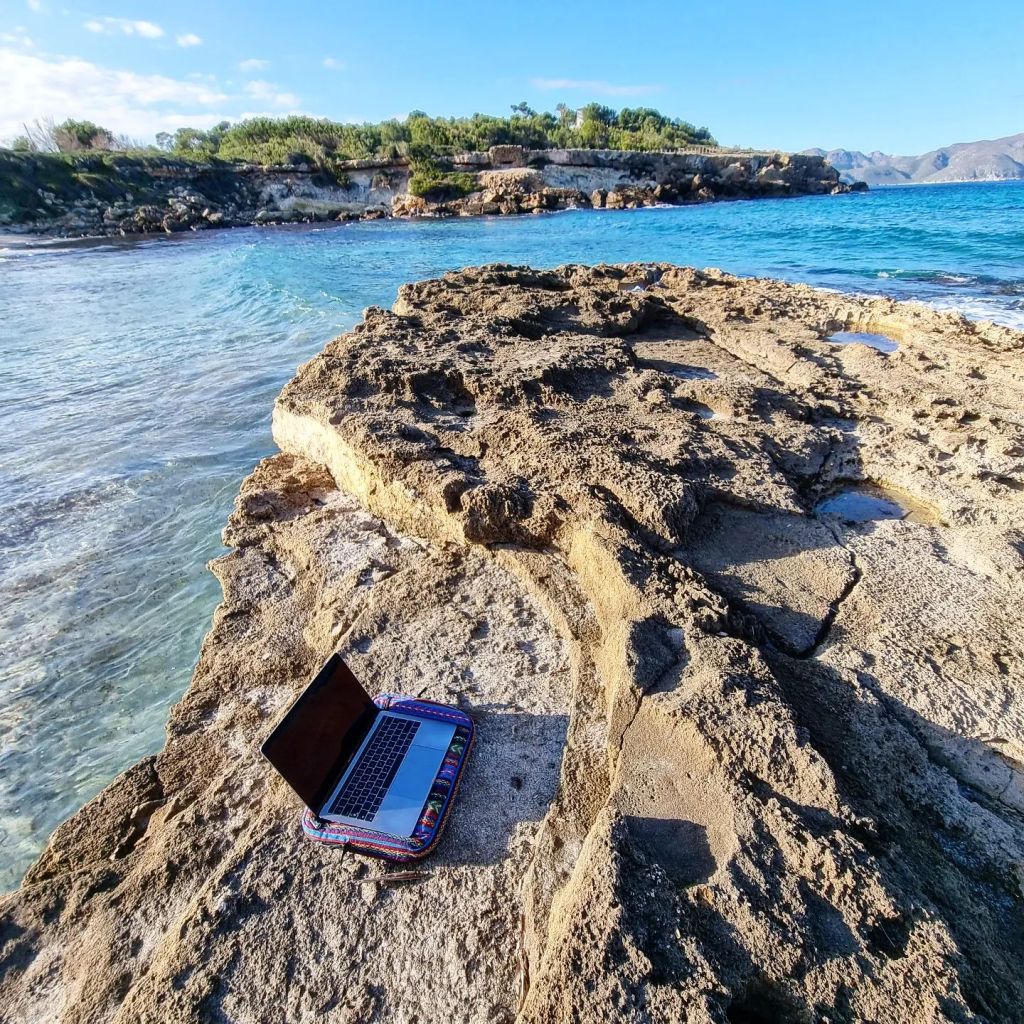
January and February were sublime months. Day after day we awoke to clear skies, sunshine and birdsong. I spent the days working on a table in the garden, retreating inside only when the sun set behind Puig Maria and the temperature started to fall. A couple of times each week I took my laptop to a local beach, went for a swim in the chill, crystal-clear water, then sat on a rock in the sun and did my work.

The post-swim office

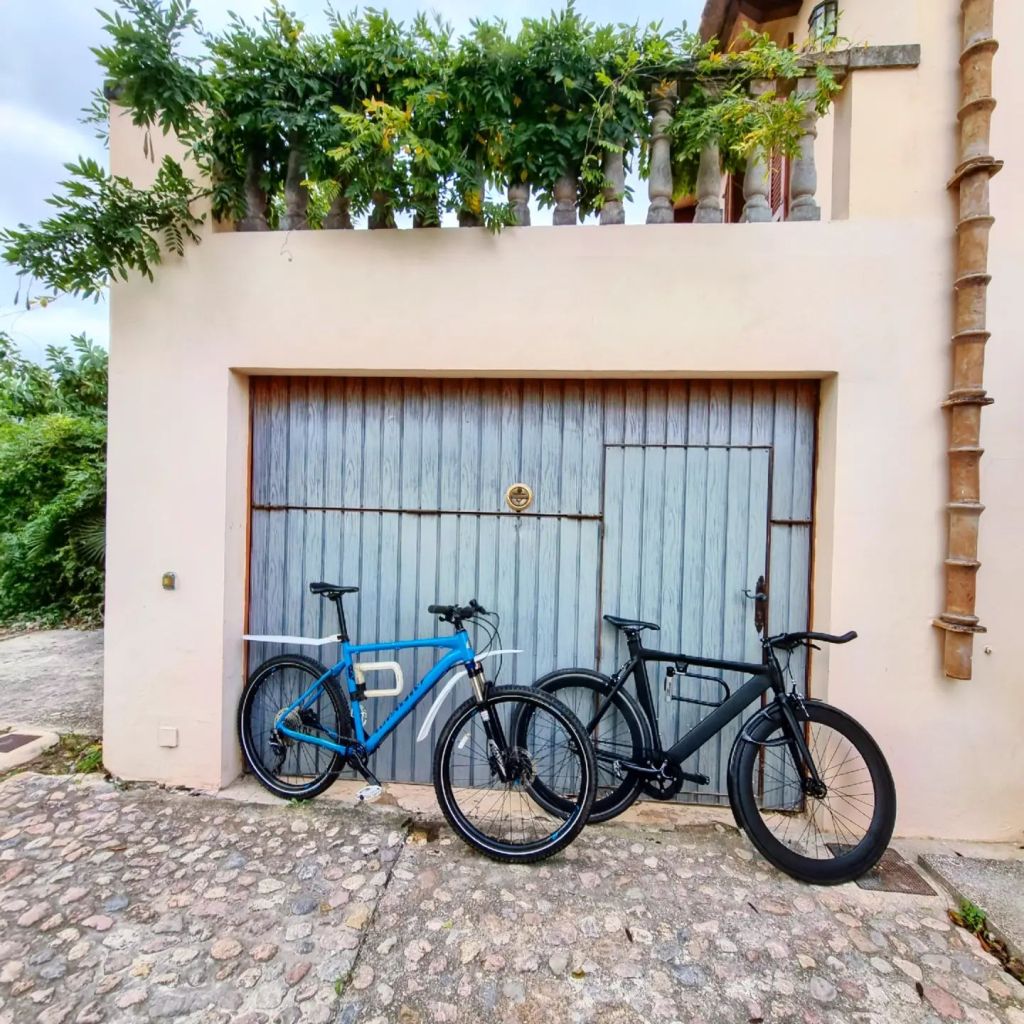
We’ve been getting a lot of exercise. We hike at the weekends, exploring remote places in the mountains and coast. At twilight when we finish work we often do a circuit to the sea and back on our bikes. We’ve started weekly tennis lessons, a sport that Alejandro already plays well but which is new to me. Finally, inspired by Alejandro’s example, I’ve started going to a couple of yoga classes each week.

Between 1995 and 2015 I studied yoga devotedly, starting with Alaric Newcombe at the Iyengar Centre in Maida Vale, then continuing with a series of wonderful teachers. Having suffered knee problems as a child, I grew up with a terribly hunched posture and little confidence in my physical ability. Alaric was a demanding teacher and at first I found the classes a struggle. But with perseverance, yoga restored my posture, changed how I breathe, and gave me a new sense of myself as a physical entity. After twenty years of devoted study, I gradually drifted into other activities and allowed it to lapse. Picking it up again now is like being reunited with an old friend, and I realise how large a gap it left in my life.

Our trusty wheels

The one sad note from these months is the death of Viola Nettle, my beloved piano teacher from Cornwall, aged 90. I studied with her from the age of 7 to 17. Along the way she became as much a friend as a teacher and we always remained close. Viola is the person who gave shape to my love of music, and instilled in me a curiosity for new sounds that will be with me all my life.

For the last decade, tragically, she suffered from alzheimer’s which progressively stripped away her memory and personality. The last time I saw her was February 2020 when I visited the care home where she was living. By this stage conversation was impossible, so I spent an hour playing the piano for her, including the whole of JS Bach’s Italian Variations, some Ravel I was working on, and a couple of pieces she’d taught me as a child. When the time came to say goodbye I kissed her on the cheek. She grinned and said “You naughty boy!”

: c :